
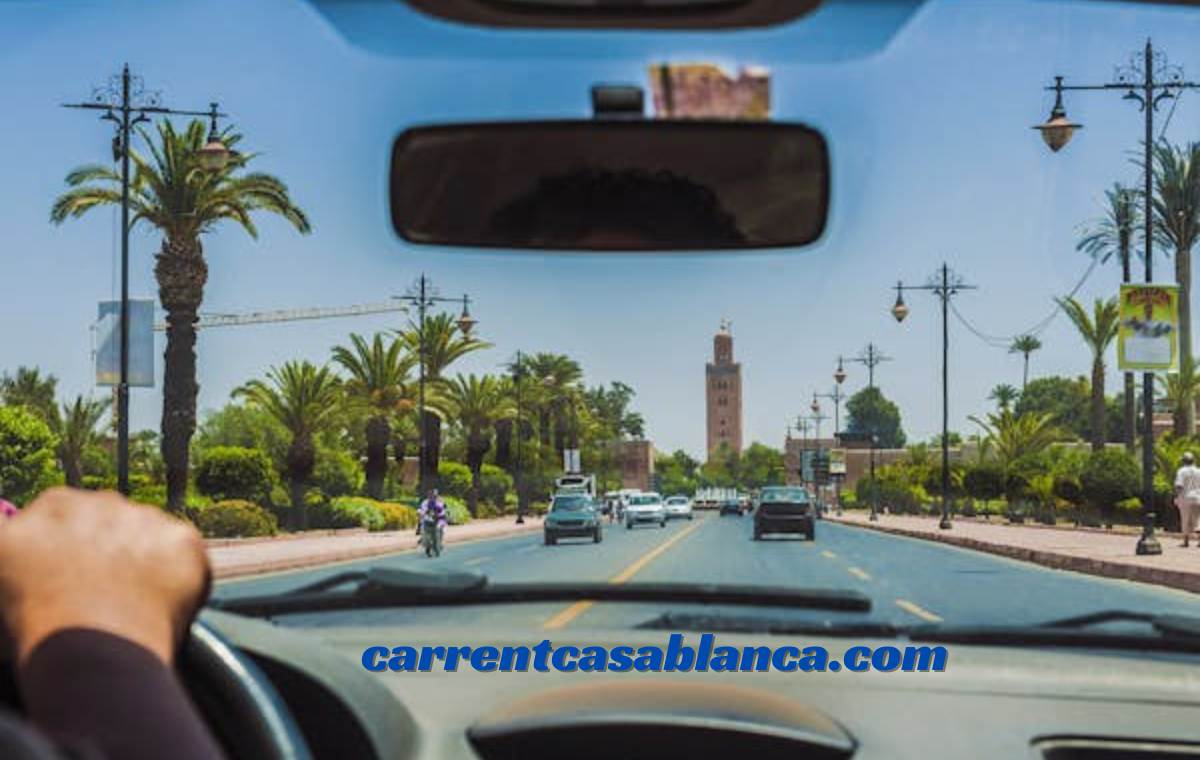
Driving in Morocco Safety Tips for Tourists
Is It Safe to Drive in Morocco? The Honest 2026 Guide for Tourists
Yes, it is safe for tourists to drive in Morocco when you plan carefully. Highways like the A1 between Casablanca and Marrakech are smooth and well-maintained, but city traffic, police checkpoints, and rural roads after dark need caution. Finish drives before sunset, buckle all passengers, and keep a reliable rental car-these small steps prevent most problems.
Driving in Morocco is easy for alert tourists who follow local rules. From Casablanca’s highways to scenic mountain and coastal routes, journeys are smooth, safe, and enjoyable. At CarRent Casablanca, we provide trusted rentals, expert local guidance, and tips to avoid fines.
Ready to drive? Start here by checking available cars for your dates.
Why So Many People Fear Driving in Morocco (And Why They’re Wrong)
Many travelers worry about driving in Morocco, imagining chaotic city streets and risky highways. The truth? Most trips are smooth.
Fear comes from unfamiliarity: horns signal communication, lanes are flexible, and scooters dart unexpectedly. Once you understand local traffic patterns, driving becomes easy and even enjoyable.
WHO data shows 17 road fatalities per 100,000 people in Morocco-higher than France or the UK, but mostly urban scooters and pedestrians. Tourist routes like Casablanca to Rabat on the A1 are far safer than rumors suggest.
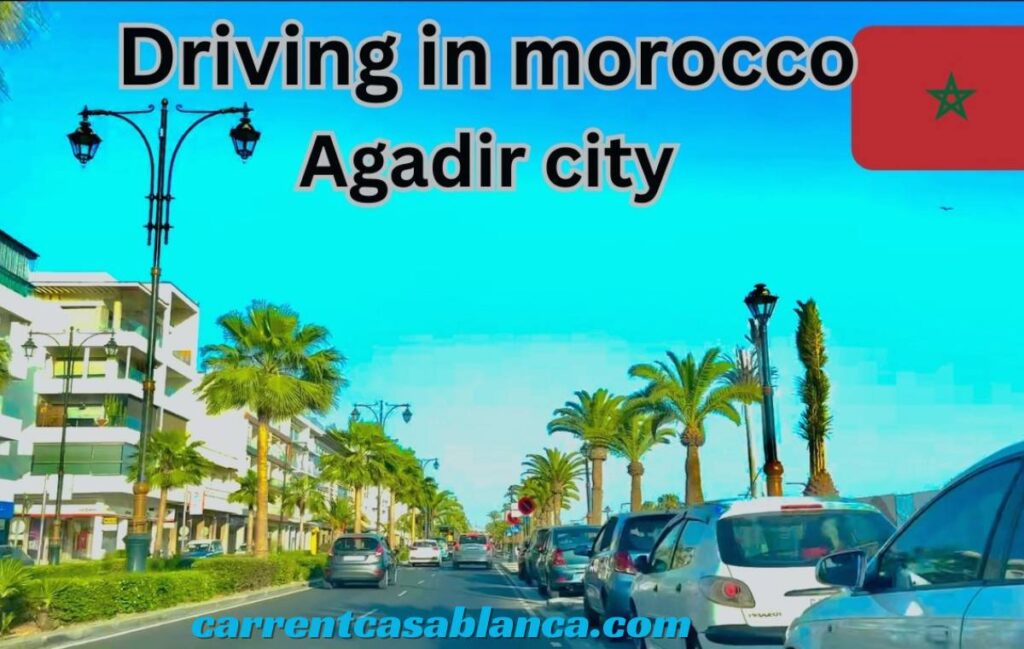
Road Conditions in Morocco: What You Will Actually Find
Morocco has invested heavily in its road infrastructure over the past decade. The network looks very different depending on where you are driving, so it helps to understand the four main road types before you go.
Autoroutes (A-Roads): The Easiest Driving in Morocco
The autoroute network connects Casablanca, Rabat, Tangier, Marrakech, Fes, and Agadir with smooth, modern toll roads. The A1 from Casablanca to Marrakech takes around three hours at legal speed limits and feels no different from a Spanish motorway. Tolls are paid in cash at booths and typically cost between 20 and 50 MAD per stretch.
This is the safest place to drive in Morocco. Traffic is predictable, signage is bilingual in Arabic and French, and police presence keeps speeds in check.
National Roads (N-Routes): Solid but Busier
National routes like the N1 along the Atlantic coast are well-paved but carry a heavier mix of trucks, local taxis, and pedestrians. They are perfectly driveable, just slower and requiring more attention than autoroutes.
Provincial Roads (R and P Routes): The Adventure Zone
These are the roads through the Atlas Mountains, past the Todra Gorge, and into the pre-Saharan regions near Merzouga. The pavement is generally solid on popular tourist routes, but you will encounter tight hairpin bends, occasional livestock, and sections where GPS loses confidence. A small SUV handles these routes comfortably. A fully loaded people-carrier does not.
City Driving in Casablanca and Marrakech: A Different Skill Set
Urban driving in Morocco is the section that earns the reputation. Casablanca, as Morocco’s largest city with over four million people, has dense roundabouts, aggressive merging, and a morning rush that starts around 7 a.m. and does not clear until 9:30. Marrakech around the medina is narrower and less predictable.
The practical solution most experienced travelers use: pick up your rental at Casablanca Mohammed V Airport (CMN), drive directly onto the autoroute, and avoid navigating the city center entirely. If you want to explore Casablanca’s Hassan II Mosque or the Corniche neighborhood, park the car and use a petit taxi.
Morocco Driving Rules Every Tourist Needs to Know in 2026
Speed Limits
| Road Type | Speed Limit | Fine Range (MAD) |
| Autoroutes (highways) | 120 km/h | 400 to 2,000 |
| Express roads and N-routes | 100 km/h | 400 to 1,500 |
| Urban areas and towns | 60 km/h | 300 to 700 |
| Near schools and markets | 40 km/h | 200 to 500 |
Pro tip: Drive 10 km/h under the posted limit on rural roads. Radar cameras are fixed along popular tourist routes and officers near towns actively monitor speed. The fine is paid in cash to the officer. No receipt is issued.
Seatbelts
Seatbelts are mandatory for all passengers in every seat, front and back. This is the most commonly issued fine to tourists. A back-seat passenger not wearing a belt costs 300 to 500 MAD per person. Check everyone before you move.
Mobile Phones
Using a handheld phone while driving carries a fine of 500 MAD or more. Have your passenger handle navigation. Download offline maps on Google Maps or Maps.me before leaving the airport.
Alcohol
Zero tolerance. Morocco’s legal blood alcohol limit for drivers is 0.00%. No exceptions, no grey area. If you have had any alcohol, take a taxi.
Documents to Carry
At every checkpoint you will be asked to show documents. Keep these accessible at all times:
- Your valid home driving licence
- International Driving Permit (IDP) recommended, especially for non-Latin script licences
- Passport
- Rental agreement from your car hire company
- Green card insurance certificate
- Accident report form (constat), purchasable at newsstands, legally required to carry
How Police Checkpoints Actually Work in Morocco
Driving in Morocco? Checkpoints are normal and not a threat. Here’s what to expect:
- Locations: At town entrances/exits and major highways.
- Procedure: Officer signals → slow down → roll window down → hand over documents → smile. Stops usually last 2–3 minutes.
- Signals from other drivers: Flashing headlights or slowing cars ahead indicate a checkpoint. Use these cues to reduce speed.
- Fines: Cash-only, paid directly. Some checkpoints coordinate, so speed cameras may lead to a stop further along.
- Tip: Stay calm, prepared, and always carry your ID, rental papers, and insurance.
The Real Risks of Driving in Morocco (And How to Manage Them)
At CarRentCasablanca.com, we help travelers navigate all these challenges with the right rentals, routes, and tips.
Night Driving
Driving after dark is the biggest risk for tourists. Rural roads outside cities like Casablanca, Rabat, and Marrakech have minimal lighting. Animals-donkeys, camels, sheep, and stray dogs-can appear suddenly, and pedestrians in dark clothing are hard to see.
Tips for safe night driving:
- Finish drives before sunset whenever possible.
- Stick to well-lit highways and main autoroutes (A1, A3) for evening travel.
- Keep headlights on low beam when passing towns with street activity.
- Use a passenger to watch for hazards ahead.
Mountain Roads in Bad Weather
The Atlas Mountains (Tizi n’Test, Tizi n’Tichka, High Atlas passes) offer stunning views but can be dangerous in rain, snow, or fog. Slippery roads and poor visibility increase accident risk.
Safety tips:
- Check the local weather forecast before departure.
- Slow down on curves and steep descents.
- Pull over safely if visibility drops.
- Avoid night drives in the mountains entirely.
Rental Car Scams
Some smaller local rental agencies may try to charge tourists for pre-existing damage. This is a common complaint but 100% avoidable.
How to protect yourself:
- Inspect the car with the agent before leaving the lot.
- Photograph every panel, tire, windscreen, and interior.
- Save the photos with timestamps for proof.
- Keep copies of the rental agreement and insurance documents.Following this method ensures your trip stays stress-free and avoids unfair fines.
Additional Tips for Safer Driving
- Always carry your driving license, IDP (recommended), and rental documents.
- Avoid using your phone while driving; fines can reach 500 MAD.
- Fuel up every 200 km; some rural stations close early.
- Respect local driving customs-horns signal intent, not aggression.
How to Drive Safely in Morocco: A Step-by-Step Guide for First-Timers
This is the section that competing pages largely skip. Here is the actual process from landing at CMN to driving confidently on Moroccan roads.
Step 1: Pick Up Your Rental
Land at Casablanca Mohammed V Airport (CMN) and collect your pre-booked car from arrivals. Booking online avoids queues and ensures your preferred vehicle.
Step 2: Inspect the Car
Walk around with the agent, photograph every panel, tire, and window, and confirm full-to-full fuel. Collect insurance and the accident report form.
Step 3: Set Navigation
Download offline maps and enter your first destination. A passenger can help with live guidance. Follow signs for Casablanca center or A1 toward Rabat.
Step 4: Merge Safely onto the A1
Drive at 110 km/h (slightly below limit). The first stretch from CMN to Casablanca or Rabat junction is smooth motorway driving.
Step 5: Prepare for Checkpoints
Keep documents handy. Slow down if cars ahead flash headlights-this signals an upcoming checkpoint.
Step 6: Handle Checkpoints Calmly
Roll down your window, greet officers politely, and hand over documents. These stops are routine and take just a few minutes.
Step 7: Fuel Strategically
Refuel when below half a tank. Rural stations become sparse south of Marrakech and in pre-Saharan areas.
Step 8: Park Safely
Use guarded lots or marked parking (blue P signs) whenever possible. Street attendants are cheap but less secure-2–3 MAD typical.
Best Driving Routes from Casablanca for First-Time Visitors
Starting your Morocco road trip from Casablanca puts you at the hub of the country’s best autoroute network. Here are the routes that work well for drivers who want confidence before complexity.
Casablanca to Rabat: The Perfect Warm-Up Drive
45 minutes on the A3 autoroute. This is the easiest drive in Morocco, smooth road, clear signage, and light traffic outside rush hours. Ideal as a first drive from the airport to get the feel of Moroccan road speed and checkpoint behavior.
Casablanca to Marrakech: The Classic Tourist Route
Around 3 hours on the A7 autoroute via Settat. Largely motorway driving with one toll stop. The road opens into flat agricultural land before the foothills appear near Marrakech. A comfortable drive for any experience level during daylight hours.
Casablanca to El Jadida and Oualidia: Coastal Scenic Route
An hour and a half south on the A5 to El Jadida, then along the N1 coastal road to the lagoon town of Oualidia. Light traffic, flat roads, and one of the most beautiful coastal stretches in Morocco. Excellent for a day trip from Casablanca.
Casablanca to Chefchaouen via Rabat: Two Days Minimum
A longer commitment: around 4 hours of driving from Casablanca via Rabat and Tangier direction. The approach to Chefchaouen on mountain roads requires care, but the town itself is worth every kilometer. Consider an overnight stop in Meknes to break the journey.
Choosing the Right Car for Your Morocco Road Trip
Car choice genuinely affects how safe and comfortable your drive is. This is not upselling. A compact hatchback that handles Casablanca’s roundabouts easily will struggle on a gravel track in the High Atlas. Get this decision right early.
| Vehicle Type | Best For | Approx. Daily Rate (MAD) |
| Economy (Dacia Logan, Sandero) | Cities, autoroutes, flat routes | 200 to 300 |
| Automatic Compact | First-timers, city focus | 280 to 380 |
| Mid-size SUV (Duster, Tucson) | Atlas Mountains, coastal roads | 420 to 550 |
| 4×4 or Large SUV | Desert, remote pistes | 600 to 800 |
| Mercedes / Luxury Sedan | Business travel, long intercity | 800 to 1,200 |
Insurance advice: Always take full coverage with zero deductible. This protects against the scratch-at-return dispute that is the number one complaint tourists have about car rental in Morocco. Do not book without confirming your insurance includes off-road excursions if you plan to leave paved roads.
Driving vs Trains, Buses, and Taxis: Which Is Actually Better?
Renting a car is not the only option. Here is an honest comparison based on the routes most tourists use.
| Option | Flexibility | Cost (Casa to Marrakech) | Door to Door? | Best For |
| Rental Car | Complete | 400 MAD fuel + tolls | Yes | Families, explorers, multi-stop trips |
| ONCF Train | Fixed schedule | 180 to 230 MAD | Station to station | City-to-city, solo, budget travelers |
| CTM Bus | Fixed schedule | 90 to 130 MAD | No | Budget travelers, single destination |
| Grand Taxi (shared) | Flexible | 100 to 160 MAD | Partial | Short regional hops |
| Private Driver | Complete | 900 to 1,500 MAD/day | Yes | Nervous drivers, luxury, complex routes |
The train and bus network is excellent for the Casablanca, Rabat, Fes, Marrakech corridor. But it leaves you dependent on taxis and tours for anything off the main line. If you want to drive through the Dades Valley, stop at a roadside argan cooperative, or reach the dunes near Merzouga on your own schedule, a rental car has no rival.
15 Expert Tips for Safe Driving in Morocco
Make your Moroccan road trip smooth and stress-free with these proven tips from CarRentCasablanca.com experts:
- Drive only in daylight – finish each day before sunset to avoid rural hazards.
- Go 10 km/h under limits on rural roads; speed cameras and radar guns are common.
- Check all seatbelts including rear passengers – fines are 300 MAD/person.
- Download offline maps (Google Maps, Waze, Maps.me) for mountains & desert regions.
- Keep documents ready – license, IDP, passport, rental papers, green card in one folder.
- Photograph your car on pickup – all panels, interior, and tires; timestamp via phone.
- Give scooters extra space in cities; they appear fast and from unexpected angles.
- Fuel before mountains or south routes – stations are sparse in remote areas.
- Watch for flash floods after heavy rain, especially in Atlas & southern valleys.
- Carry small cash (20–50 MAD) for tolls, parking, and fines.
- Be patient at roundabouts – yield, but expect others to enter unpredictably.
- Mountain road etiquette – uphill cars have priority; communicate with headlights.
- Carry a cone & reflective vest – required by law for roadside stops.
- Use A/C in summer – heat in southern & valley regions can exceed 40°C.
- Opt for hotel delivery if uncomfortable with city driving; skip urban traffic entirely.
Common Mistakes Tourists Make When Driving in Morocco
A surprising number of the problems tourists report are completely avoidable. These are the patterns that come up again and again.
Common Mistakes Tourists Make When Driving in Morocco
Avoid these frequent mistakes to ensure a smooth, safe, and stress-free Morocco road trip:
1. Driving at Night Because the Schedule Ran Late
Rushing through packed itineraries often leads to night driving on unlit rural roads. Tip: Plan realistic drive times, include rest stops, and always aim to finish before sunset.
2. Ignoring Back Seat Belts
Moroccan police frequently stop vehicles for unbuckled rear passengers. Always buckle everyone in the car-this small step avoids a 300 MAD fine and keeps your family safe.
3. Booking the Cheapest Rental Without Checking Insurance
Low-cost rentals may only include basic third-party coverage. Protect yourself: inspect the car, photograph any pre-existing damage, and opt for full insurance. This prevents costly disputes.
4. Entering the Medina by Car
Medina streets in Marrakech, Fes, and Chefchaouen are often too narrow for vehicles. GPS may mislead you. Tip: Park outside and explore on foot for a hassle-free experience.
5. Not Having Cash for Tolls and Fines
Tolls and checkpoint fines are cash-only. Carry 200–300 MAD in small notes to avoid delays and awkward situations at checkpoints or toll booths.
Frequently Asked Questions About Driving in Morocco
Is it safe to drive in Morocco for beginners with no road trip experience?
Yes, it is safe to drive in Morocco for beginners if you start on major highways like the A3 from Mohammed V International Airport to Rabat. Autoroutes are modern and well-maintained, but city traffic in Casablanca can feel chaotic. Avoid night driving, choose an automatic car, and plan short daytime routes. Most first-time drivers adapt within the first hour.
Do I need an International Driving Permit (IDP) to drive in Morocco?
You do not legally need an International Driving Permit to drive in Morocco if your licence is in Latin script. However, many rental companies in Casablanca request it, and checkpoints may require translation. Getting an IDP is inexpensive and avoids delays or confusion.
How do police checkpoints work in Morocco?
Police checkpoints in Morocco are routine and safe for tourists. Officers stop vehicles near city entrances and major roads like the A1. Provide your licence, passport, and rental documents calmly. Most checks take under five minutes. Fines for minor issues typically range between 300–500 MAD.
Is it safe to drive in Morocco at night?
Driving in Morocco at night is not recommended for tourists. Rural roads lack lighting, and animals or pedestrians may appear suddenly. While highways between cities like Casablanca and Marrakech are safer, beginners should always plan to finish driving before sunset.
What is the speed limit in Morocco?
Speed limits in Morocco are strictly enforced with cameras and police patrols. Limits are 120 km/h on autoroutes, 100 km/h on national roads, and 60 km/h in cities. Driving slightly below the limit, especially near towns, helps avoid fines ranging from 300 to 2,000 MAD.
Is it safe for American or British tourists to drive in Morocco?
Yes, it is safe for American and British tourists to drive in Morocco. Licences from the UK and US are accepted, and major routes between cities like Rabat and Casablanca are easy to navigate. The main adjustment is local driving behavior in busy urban areas.
What documents do I need to drive in Morocco?
To drive in Morocco, you must carry your licence, passport, rental agreement, and insurance papers. An International Driving Permit is recommended. Keep all documents accessible during checkpoints, especially when driving between cities like Casablanca and Fes.
Should I rent a car in Casablanca or hire a driver?
Renting a car in Casablanca is best for flexibility and independent travel. It allows access to routes like the Atlantic coast or Atlas Mountains. Hiring a driver is better for stress-free navigation in busy areas or if you prefer guided travel.
Is It Safe to Drive in Morocco?
Yes-driving in Morocco is safe for tourists who plan smart. Highways are modern, rural roads are scenic, and checkpoints are routine, not threatening. Local driving may feel different, but it follows a clear rhythm once you know it.
Most issues happen when travelers drive at night, skip back-seat belts, or ignore insurance coverage. Avoid these, and your trip is stress-free.
Start with a reliable rental booked before landing. Pick it up at Casablanca Mohammed V Airport, get full insurance, and hit the A1 for the smoothest start to your Moroccan adventure.
