
What Type of Car Should You Rent in Morocco? A Route-by-Route Guide
What Type of Car Should You Rent in Morocco?, For cities, motorways, and most paved tourist routes, a compact or economy car is usually enough. If you plan to drive through the Atlas Mountains or travel with family and luggage, a compact SUV offers more comfort and ground clearance. A true 4×4 is the better choice when your itinerary includes desert pistes, sand, or remote off-road routes.
This guide walks through every common scenario so you can make that call with confidence, using the fleet options available when you rent a car in Casablanca as a practical reference point.
Do You Need an SUV or a 4×4 in Morocco?
For the overwhelming majority of Morocco itineraries, Marrakech, Casablanca, Fes, Rabat, the coast, and even the main roads into the Sahara, a 2WD compact or midsize car is perfectly adequate. Morocco’s national road network (the N-roads) and its motorways are tarmacked and well maintained on the routes tourists actually use.
You should start thinking seriously about an SUV or true 4×4 rental in Morocco only if your plans include:
- Genuine off-road pistes (unpaved tracks), not just remote-sounding destinations
- Driving into soft sand dunes rather than to a desert gateway town
- Winter travel over high Atlas passes where snow or ice is a realistic possibility
- Very rough, unpaved approach roads to a specific rural guesthouse or kasbah
If none of those apply to you, a 4×4 is an added expense that buys you very little. If one or two do apply, an SUV with reasonable ground clearance is often enough, a dedicated off-road 4×4 is really only necessary for genuine dune driving or serious mountain pistes.
Understanding Morocco’s Road Network Before You Choose
Morocco’s main roads fall into a few categories, and understanding them makes the car decision much easier. Motorways (autoroutes) connect the big cities, Casablanca, Rabat, Marrakech, Tangier, and are as smooth as anything in Europe. National roads (marked N) and regional roads (R) connect smaller towns and tourist regions, including the routes to Merzouga and Ouarzazate; these are paved but narrower, and can be busier with local traffic, animals, and slower vehicles.
Before you commit to a vehicle category, it’s worth reading up on Morocco’s best roads to drive and general driving tips for Morocco, since road conditions, not distance on a map, are what actually determines the right car.
Car Categories Available When You Rent a Car in Morocco
Economy Cars
Cars like the Dacia Sandero are the go-to choice for solo travelers and couples sticking to cities and highways. They’re cheap to run, easy to park in tight medina streets, and perfectly capable on any paved road. The trade-off is limited boot space, fine for a weekend, tighter for a two-week trip with two large suitcases. Browse the full economy car rental Casablanca range if this is your likely category.
Compact and Midsize Cars
A step up in comfort and luggage room, cars such as the Dacia Logan or the Renault Clio 5 are the sweet spot for most road-trippers. They handle long highway stretches comfortably, have enough boot space for two to three people’s luggage, and still cost noticeably less to rent and fuel than an SUV. For a classic Marrakech–Merzouga–Fes loop, this is usually the best-value category.
SUVs and Crossovers
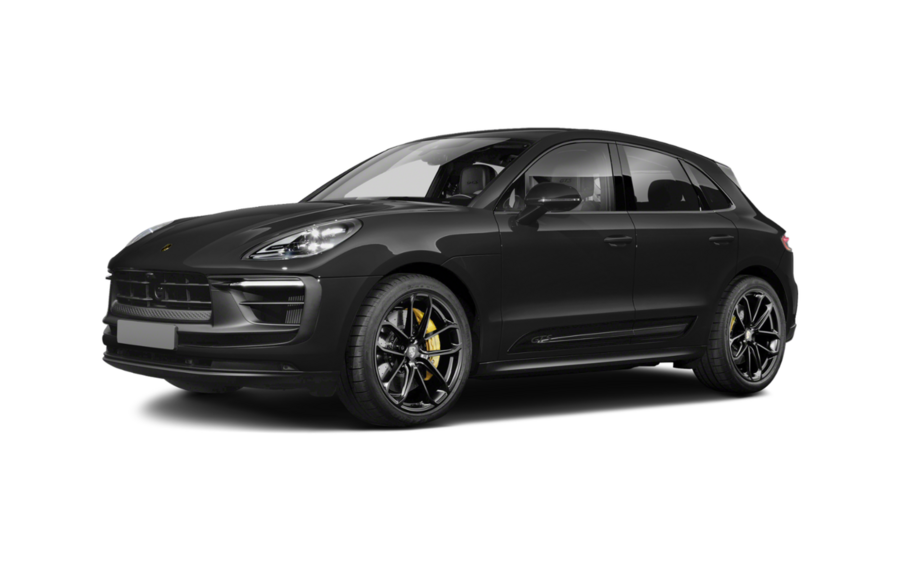
The Dacia Duster and the Hyundai Tucson are popular for a reason: extra ground clearance, more luggage room, and a more comfortable ride on long days. It’s worth knowing that most rental SUVs are crossovers, not true off-roaders, they don’t have low-range gearing, and many are 2WD despite the rugged styling. They’re excellent for families and for routes that mix paved highways with the occasional rough patch, but they’re not built for sand. Families specifically should look at our guide to the best SUV to rent in Casablanca for families.
True 4×4 Vehicles
A genuine 4×4, with proper off-road capability, is a different category entirely, built for pistes, dunes, and remote desert routes. If your trip genuinely calls for this, take a look at 4×4 rental in Morocco rather than assuming any SUV will do the job. Rental agreements for these vehicles often carry specific terms around off-road use, so read the contract carefully before you commit to sand driving.
Luxury and Premium Cars
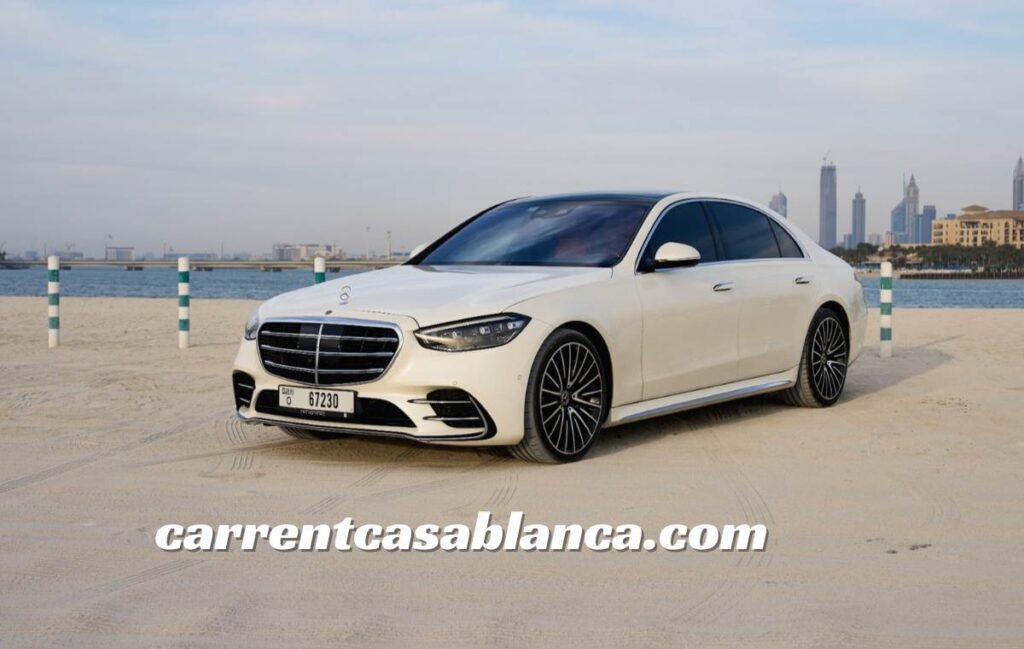
For business travel or a more comfortable city stay, Casablanca’s luxury car rental fleet includes options like the Mercedes E-Class and Audi Q8, a different consideration entirely from the practical route-planning covered here, but worth knowing about if comfort and image matter more than off-road ability.
Do You Actually Need a 4×4 for the Sahara?
This is the single most common question travelers ask, and the answer is almost always no, not for reaching the Sahara itself.
Merzouga and Erg Chebbi, the most visited desert gateway, sit at the end of fully paved national roads. Whether you approach via Fes or via the Dades and Todra route from Marrakech, you’ll be on tarmac the entire way. A standard 2WD car gets you there without any issue. Most desert camps also arrange 4×4 or camel transfers from town into the dunes themselves, so you’re not expected to drive your rental car into sand anyway.
Where a true 4×4 becomes necessary is if you’re heading to more remote dune systems like Erg Chigaga, near M’Hamid, which does require unpaved piste driving, or if you specifically want to drive yourself into the dunes rather than taking a guided transfer.
A useful rule of thumb: if your itinerary stays on the marked national roads to a desert town, a 2WD car is fine. If it involves leaving the tarmac, that’s when to look at an SUV or 4×4.
Matching the Car to Your Itinerary
Casablanca to Marrakech: Fully motorway, easily done in any economy or compact car. See our dedicated guide on driving from Casablanca to Marrakech for route details.
Marrakech to Essaouira: A straightforward coastal highway drive of around two and a half hours. A small car is genuinely the easier choice here, since Essaouira’s medina area has limited parking for larger vehicles.
Casablanca to Agadir: A longer coastal route that benefits from a compact or midsize car for comfort on the longer stretch, see the full Casablanca to Agadir road trip breakdown.
Atlas Mountain passes (Tizi n’Tichka, Tizi n’Test): Both are paved, if winding, and manageable in a normal car outside winter. In January or February, when snow is possible at altitude, an SUV with better traction is a sensible upgrade, not because the road demands it, but because conditions occasionally do.
Marrakech–Dades–Todra–Merzouga–Fes loop: The classic Sahara circuit is almost entirely paved. A compact or midsize car is enough; an SUV adds comfort and a bit of extra clearance for the occasional rough section near some kasbahs, but it isn’t mandatory.
Remote desert pistes (Erg Chigaga, deep rural tracks): This is where a true 4×4 earns its cost.
Is a regular 2WD car sufficient, or should I get an SUV?
For most classic itineraries, Marrakech, the Atlas, the main road to Merzouga, the coast, a 2WD compact or midsize car is enough. Consider an SUV mainly for extra comfort, luggage space, or winter mountain travel, not because the paved roads require it.
Can I do a full Morocco loop in a small car?
Yes. Many travelers complete multi-city loops including the Sahara gateway towns in economy or compact cars without issue. The trade-off is less luggage room and a slightly less comfortable ride on very long driving days.
How Many People and How Much Luggage?
Group size and luggage volume often matter more than the terrain. As a general guide: one or two people with carry-on-style bags are well served by an economy car; two to four people with full-size suitcases are usually more comfortable in a compact, midsize, or SUV category; and families of five or more, or groups traveling with a lot of gear, should look at a larger SUV or ask about seven-seater availability. Don’t underestimate luggage, two people with two large suitcases each will struggle to fit everything into the smallest economy hatchback, and a cramped boot makes every hotel stop more of a hassle.
Automatic or Manual: Which Should You Choose?
Manual transmission is more widely available across Morocco and is generally the cheaper option. Automatic cars are available but in more limited supply, and prices for automatics can rise noticeably in peak season, so if you know you want one, it’s worth booking a few weeks ahead rather than expecting to find one on arrival. Automatic is genuinely worth the extra cost for drivers who find manual driving tiring in city traffic or on long, winding mountain roads; if you’re comfortable with manual, it remains the more economical choice for a Morocco road trip.
Self-Drive or a Car With a Driver?
Not every visitor wants to navigate Moroccan traffic and mountain roads personally. If you’d rather relax and let someone else handle the driving, car rental with driver services in Casablanca is worth considering, particularly for business travel or a first-time visit where local road knowledge adds real value. If you’re torn between the two, our comparison of car rental with driver vs. self-drive in Casablanca lays out the trade-offs in cost, flexibility, and convenience.
Is a Small Car Safe for a Morocco Road Trip?
Yes, for the routes most tourists drive. Vehicle size matters far less than road type, driver confidence, weather, and whether you’re driving at night. Small cars are actually an advantage in cities, Fes, Marrakech, and Chefchaouen all have narrow medina-adjacent streets and tight parking, where a compact car is genuinely easier to manage than a large SUV. The main caution with a smaller car is on rough rural roads and in winter mountain conditions, where extra ground clearance and traction become more useful.
Before You Drive Off: A Pickup Checklist
Whatever category you choose, a few checks before you leave the rental office will save you trouble later. Confirm what documents you need, most visitors just need a valid driving licence and passport, detailed in our guide to documents needed to rent a car in Morocco.
Understand your coverage by reviewing the insurance options for rental cars in Morocco, and read through practical advice on driving a rental car in Morocco before setting off, especially if this is your first time driving abroad. Walk around the vehicle, note any existing scratches or dents, check the spare tire, test the air conditioning, and confirm the fuel policy, all before you sign anything.
Common Mistakes When Choosing a Rental Car in Morocco
The most frequent mistake is renting a 4×4 out of caution rather than necessity, paying more for capability that a paved-road itinerary never uses. A close second is assuming every SUV is a genuine off-roader, many rental « SUVs » are 2WD crossovers, fine for rough tarmac but not for sand.
Travelers also commonly underestimate luggage needs, pick a car that’s too large for comfortable city parking, or skip checking whether the rental contract permits the kind of driving they actually plan to do. Confirming this in advance, especially for any off-road plans, avoids disputes later.
Is Renting a Car in Morocco Worth It?
For multi-city trips, coastal routes, and Sahara loops, yes, a rental car gives you flexibility that trains and shared transport can’t match. For a short stay confined to one city, taxis may be more practical. Our full breakdown of whether car rental in Morocco is worth it covers this trade-off in more depth if you’re still deciding.
Frequently Asked Questions – What Type of Car Should You Rent in Morocco
Do I need a 4×4 in Morocco?
No, for the large majority of tourist routes. A 2WD compact or midsize car is sufficient for cities, highways, Atlas passes, and the paved roads to Merzouga.
Do I need a 4×4 to reach Merzouga?
No. The roads to Merzouga are fully paved. A 4×4 only becomes relevant if you plan to drive off-road into the dunes yourself.
Is a Dacia Duster a good choice for Morocco?
Yes, for families or mixed routes needing extra space and ground clearance. It’s a capable crossover, but treat it as a comfortable all-rounder rather than a genuine desert vehicle.
What’s the difference between an SUV and a 4×4 in Morocco?
An SUV or crossover offers more space and clearance but usually lacks true off-road capability. A dedicated 4×4 has the drivetrain and gearing needed for sand and rough pistes.
Is an automatic car worth the extra cost?
For drivers less comfortable with manual transmission, especially in city traffic or on mountain roads, yes. Otherwise, manual remains the more budget-friendly option.
Can I drive around Morocco safely in a small car?
Yes, for the standard tourist circuit. Just factor in reduced luggage space and take extra care on rural roads and in winter mountain conditions.
Choosing the Right Rental Car for Your Morocco Trip
If your Morocco trip is built around cities, coastal towns, the Atlas passes, and the paved route to the Sahara, a compact or midsize car will do the job well and save you money. If comfort and luggage space for a family matter more than budget, step up to an SUV. Reserve a true 4×4 for trips that genuinely include sand driving or remote pistes. Whichever category fits your plans, you can compare the full range and check live availability through our vehicle fleet in Casablanca, or head to the car rental Casablanca page to start your booking.
